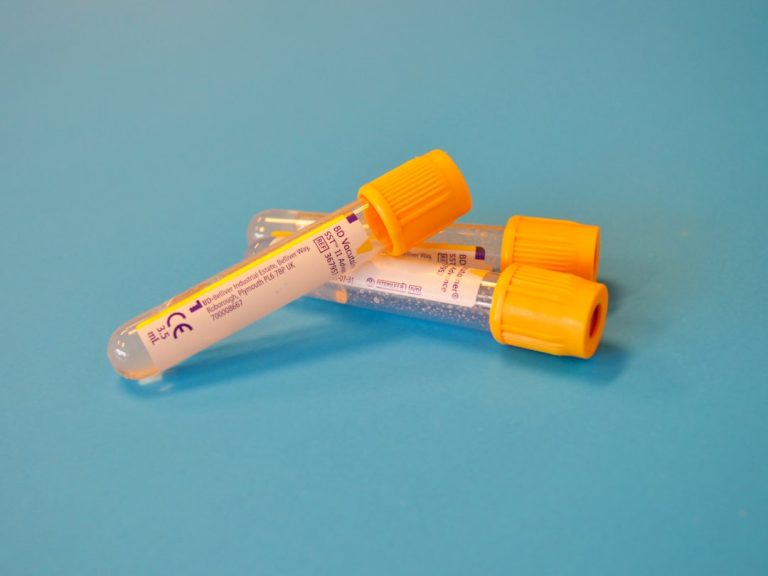
Hormonal health can influence many aspects of daily well-being, from physical performance and sexual health to mood and energy. For men experiencing persistent symptoms associated with possible testosterone deficiency, telehealth can provide a practical way to begin a medical conversation. An online testosterone prescription should never be based solely on a questionnaire or a patient’s desire for improved performance; it should follow appropriate clinical evaluation, relevant testing, and professional judgment to determine whether treatment is medically justified.
Table of Contents
- What does testosterone do in the body?
- When should a man discuss possible low testosterone with a doctor?
- How does an online medical evaluation generally work?
- Why are laboratory results important?
- Does testosterone therapy improve energy?
- Can testosterone treatment support physical health?
- What safety considerations should patients understand?
- Is testosterone therapy suitable for men who want to preserve fertility?
- How important are follow-up appointments?
- What makes online testosterone care responsible?
- Can online care replace every in-person medical visit?
What does testosterone do in the body?
Testosterone is an important hormone involved in reproductive health, muscle maintenance, bone strength, red blood cell production, and other biological processes. Levels can vary because of age, health conditions, sleep quality, medications, body composition, and other factors. A lower reading does not automatically mean that testosterone therapy is necessary. Clinicians consider laboratory findings together with symptoms and the broader health picture.
When should a man discuss possible low testosterone with a doctor?
A medical discussion may be appropriate when symptoms are persistent or interfere with everyday life. Concerns can include diminished libido, reduced physical strength, unexplained fatigue, mood changes, erectile difficulties, or reduced motivation. Because these symptoms overlap with numerous conditions, professional evaluation is important before attributing them to testosterone deficiency.
How does an online medical evaluation generally work?
A telehealth evaluation typically begins with a detailed health history and discussion of symptoms. The clinician may ask about medications, previous diagnoses, lifestyle factors, reproductive plans, and prior laboratory results. Depending on the circumstances, laboratory testing may be recommended. The collected information helps the clinician decide whether testosterone therapy is appropriate or whether another explanation should be investigated.
Why are laboratory results important?
Hormone measurements provide objective information that can support clinical decision-making. Testosterone production follows biological patterns, and individual readings can vary. Appropriate testing helps reduce the risk of treating symptoms that are caused by something else. Clinicians may also review additional laboratory markers to understand overall health and identify considerations that could affect treatment.
Does testosterone therapy improve energy?
Improving testosterone deficiency may help some appropriately diagnosed patients experience better energy, mood, sexual function, or physical well-being. However, testosterone is not a universal treatment for tiredness. Fatigue can result from sleep disorders, psychological stress, nutritional problems, medication effects, thyroid conditions, and many other causes. Treating the underlying reason is more appropriate than assuming testosterone is responsible.
Can testosterone treatment support physical health?
Testosterone contributes to muscle maintenance and bone health. In men with confirmed deficiency, medically supervised treatment may support these functions. Results vary by individual, and therapy should be viewed as a component of overall healthcare rather than a replacement for exercise, nutritious food, adequate sleep, and management of existing medical conditions.
What safety considerations should patients understand?
Testosterone therapy requires medical supervision because treatment can affect different body systems. Depending on the individual, clinicians may monitor hormone levels, blood-related markers, prostate health considerations, cardiovascular risk factors, and other relevant indicators. Patients should report new or worsening symptoms and avoid changing treatment without professional advice.
Is testosterone therapy suitable for men who want to preserve fertility?
This requires careful discussion. External testosterone can suppress the hormonal signals involved in sperm production and may reduce fertility. Men considering future fatherhood should tell their clinician before treatment begins. A healthcare professional can discuss reproductive goals and determine whether another approach may be more suitable.
How important are follow-up appointments?
Follow-up care helps determine whether treatment is working as intended and whether adjustments are necessary. Regular medical review can also identify potential concerns before they become more significant. A responsible telehealth program should provide a clear monitoring plan rather than treating the initial prescription as the end of the medical process.
What makes online testosterone care responsible?
Responsible online care combines convenience with clinical standards. Patients should expect qualified medical evaluation, appropriate testing, transparent communication, secure health-data practices, and continuing supervision. Treatment should be based on individual medical circumstances rather than generalized promises.
Can online care replace every in-person medical visit?
Not necessarily. Telehealth is useful for many consultations, but some situations require physical examination, additional testing, or specialist care. A qualified clinician should recognize when an in-person assessment is necessary. The primary goal should always be safe, evidence-based treatment tailored to the patient’s health needs.
Quick Summary
- Hormonal health significantly impacts physical performance, sexual health, mood, and energy levels.
- An online testosterone prescription should be based on clinical evaluation, relevant testing, and professional judgment, rather than solely on patient questionnaires or desires.
- Testosterone plays a vital role in reproductive health, muscle maintenance, bone strength, and red blood cell production.
- Low testosterone symptoms may overlap with various conditions, making professional medical evaluation essential before attributing them solely to testosterone deficiency.
- Testosterone therapy requires medical supervision due to potential effects on multiple body systems, including cardiovascular health and prostate conditions.
- Follow-up care in testosterone therapy is critical for assessing treatment effectiveness and making necessary adjustments.
About the Author