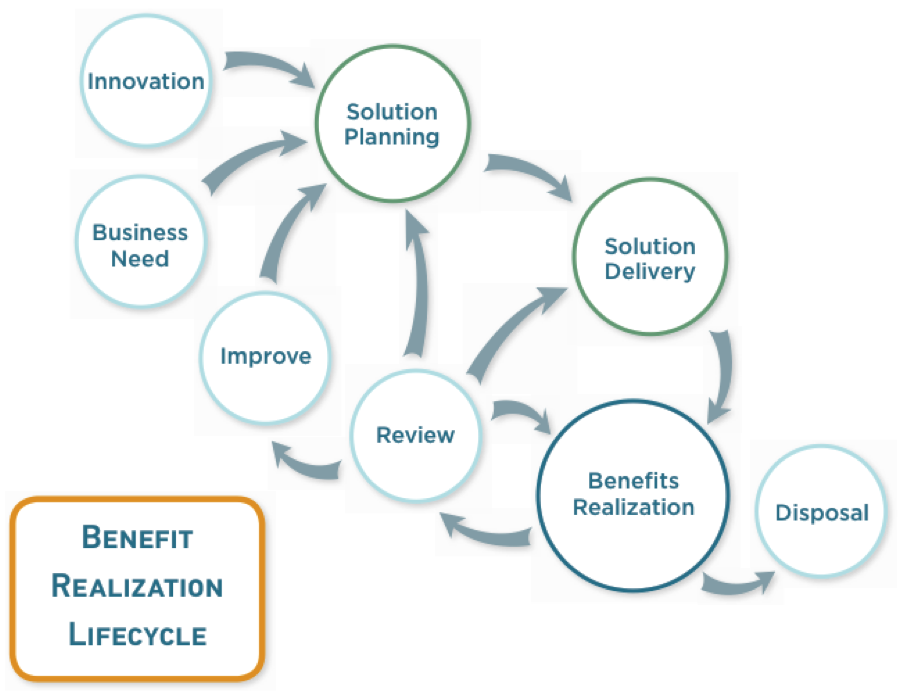
In today’s rapidly evolving business landscape, organizations must prioritize efficiency to remain competitive and sustainable. Effective planning plays a central role in achieving this goal, helping businesses operate with clarity, purpose, and strategic direction. Andrew Hillman emphasizes the power of expert planning as a fundamental tool for streamlining operations, optimizing resources, and driving long-term success. His approach highlights thoughtful preparation, informed decision-making, and continuous improvement as key components of efficient business management.
The Importance of Strategic Planning in Business Growth
Every successful business initiative begins with a well-structured plan. Strategic planning allows leaders to identify goals, anticipate challenges, and create actionable paths toward growth. Andrew Hillman advocates for establishing clear objectives that align with the organization’s mission and vision, enabling teams to focus their efforts and avoid wasted resources.
Strategic planning also involves analyzing internal strengths and weaknesses, understanding market trends, and assessing potential opportunities. By conducting these evaluations, businesses can position themselves ahead of competitors and respond effectively to changes in their industry. A strong plan not only provides direction but also inspires confidence among employees, stakeholders, and clients.
Improving Efficiency Through Thoughtful Resource Management
Efficient businesses know how to make the most of their resources, including time, finances, and talent. Andrew Hillman stresses the significance of evaluating current workflows and identifying areas where improvements can be made. By eliminating unnecessary steps, reallocating responsibilities, or adopting new tools, organizations can streamline operations and reduce inefficiencies.
Resource management also involves careful budgeting and prioritization. When leaders allocate resources strategically, teams can work more productively and without interruption. This thoughtful approach minimizes waste, helps control costs, and ensures that each department operates in harmony with broader organizational goals.
Leveraging Data for Informed Decision-Making
In the modern business world, data serves as a powerful guide for making well-informed decisions. Andrew Hillman emphasizes the importance of gathering and analyzing relevant information to identify trends, assess performance, and evaluate potential risks. With accurate data, businesses can make decisions that are aligned with their goals rather than relying on assumptions or guesswork.
Data-driven planning strengthens efficiency by providing insights into customer behavior, operational patterns, financial performance, and employee productivity. These insights support strategic adjustments that improve outcomes and prevent costly mistakes. When leaders embrace data as part of their planning process, they strengthen their ability to adapt quickly and effectively.
Enhancing Team Collaboration and Communication
Efficient planning extends beyond documents and strategies—it also relies on strong collaboration. Andrew Hillman highlights the importance of open communication among teams to ensure that everyone understands the plan and their role in achieving it. Clear communication helps prevent misunderstandings, reduces delays, and boosts morale.
Collaboration also allows for the sharing of ideas and perspectives, which can lead to more innovative solutions. When team members feel included in the planning process, they are more motivated to contribute actively and work toward shared goals. This sense of unity drives efficiency and encourages accountability across the organization.
Adapting Plans to Meet Changing Needs
No business environment remains static, which is why flexibility is an essential element of effective planning. Andrew Hillman encourages companies to regularly review and adapt their strategies based on new challenges or emerging opportunities. Whether responding to market shifts, economic changes, or technological advancements, the ability to pivot quickly helps maintain momentum and prevent setbacks.
Adaptable planning ensures that businesses remain resilient and capable of overcoming obstacles with confidence. It also supports continuous improvement, allowing organizations to refine their processes and strengthen their operations over time.
A Commitment to Sustainable Efficiency
Enhancing business efficiency requires ongoing effort, strategic insight, and a willingness to learn and evolve. Through expert planning, Andrew Hillman demonstrates how businesses can achieve greater productivity, reduce operational challenges, and build a foundation for long-lasting success. His emphasis on clear strategy, strong communication, and adaptable processes empowers organizations to operate more effectively in every aspect.
About the Author