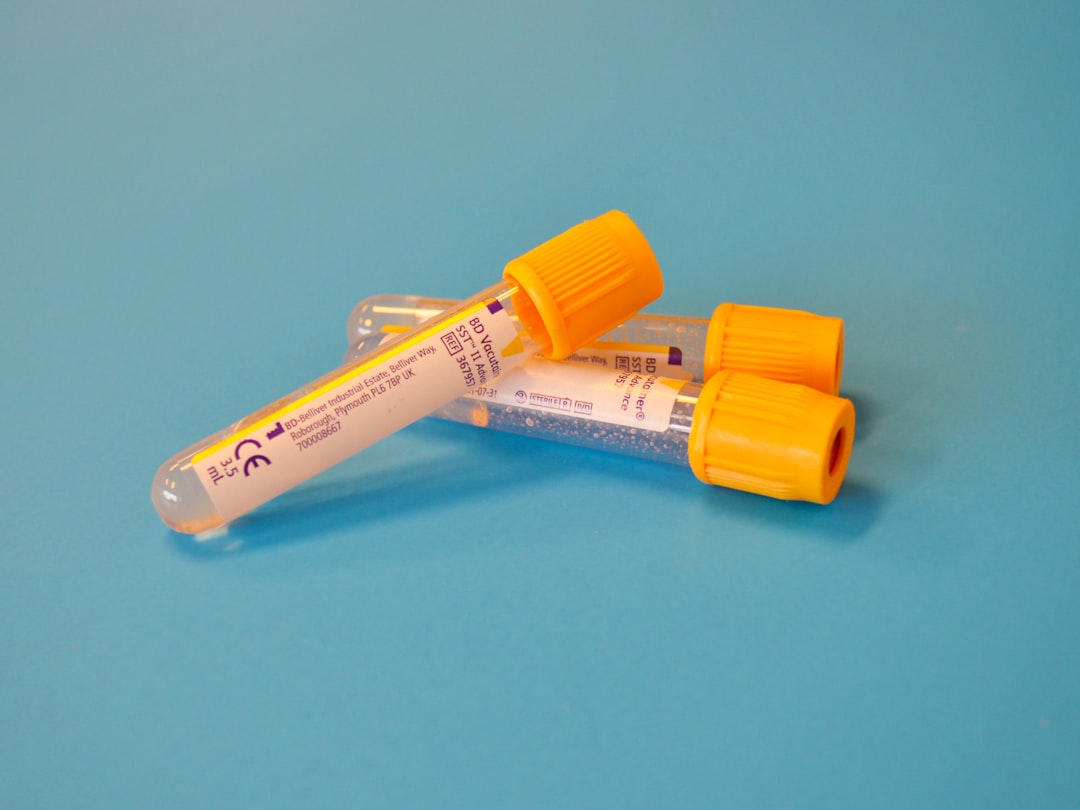
Synthetic urine 2026 products are usually designed as laboratory-made urine substitutes that mimic some chosen physical and chemical parameters of natural urine. Synthetically made urine may be applied in laboratories for research, equipment calibration, educational purposes, and quality control.
Today there are different chemical compositions that include ingredients like urea, creatinine, salts, buffers, and many others to produce a chemical pattern similar to real urine. But each product may be different so buyers should take into account the characteristics and intended purpose of each product rather than marketing statements. There was a study performed in 2025, in which 10 products were compared to authentic samples by means of microscopic analysis; there were significant differences between artificial products and real specimens.
Features to Be Noted
If the product is going to be used for legitimate laboratory purposes, formulation consistency is a factor worth noting. Researchers and laboratory workers are able to assess the characteristics of the product like pH, specific gravity, creatinine content, appearance, and many other chemical parameters.
Documentation can also be helpful. An ideal product for laboratory work is always provided with clear specifications, storage information, batch consistency, and all needed instructions for its intended purpose.
How Testing Has Changed in 2026
Urinalysis became much more complicated. Classical specimen validity testing is able to determine such parameters as creatinine content, pH, specific gravity, and others. More sophisticated analysis is capable to detect biological characteristics that can help to differentiate authentic human urine from artificial one. Modern researches prove the possibility of such differentiation by means of microscopic and chemical analysis.
Therefore, assertions about the impossibility of detecting any of the available types of artificial urine are not based on scientific reliability. The right product for laboratory use is supposed to be chosen by its proven composition and purpose.
Choosing the Proper Product
There are different reasons to purchase synthetic urine 2026. Research and educational use require clear information about the composition of the product, its consistency, good manufacturing standards, and its application with the corresponding laboratory test.
Synthetic urine cannot be compared with natural urine. It is made for certain purposes and
The progress in the development of synthetic urine is connected with the advance of laboratory techniques. In the best synthetic urine 2026, the quality of the product can be measured by its proven formulation, consistency, specification, and applicability in legitimate research or training. According to scientific evidence, there are several ways in modern laboratories for the detection of artificial urine.
Quick Summary
- Synthetic urine 2026 products are designed to mimic physical and chemical parameters of natural urine for various laboratory applications.
- Different products may have varying chemical compositions, including ingredients like urea, creatinine, and salts, which should be considered based on their intended use.
- A study in 2025 demonstrated significant differences between artificial products and real urine samples through microscopic analysis.
- Urinalysis in 2026 has become more complex, allowing for detection of biological characteristics that differentiate human urine from synthetic urine.
- Choosing the right synthetic urine product for laboratory use requires attention to its proven composition, consistency, and clear specifications.
- Modern laboratories have developed reliable methods for the detection of artificial urine, contradicting claims of their undetectability.
About the Author