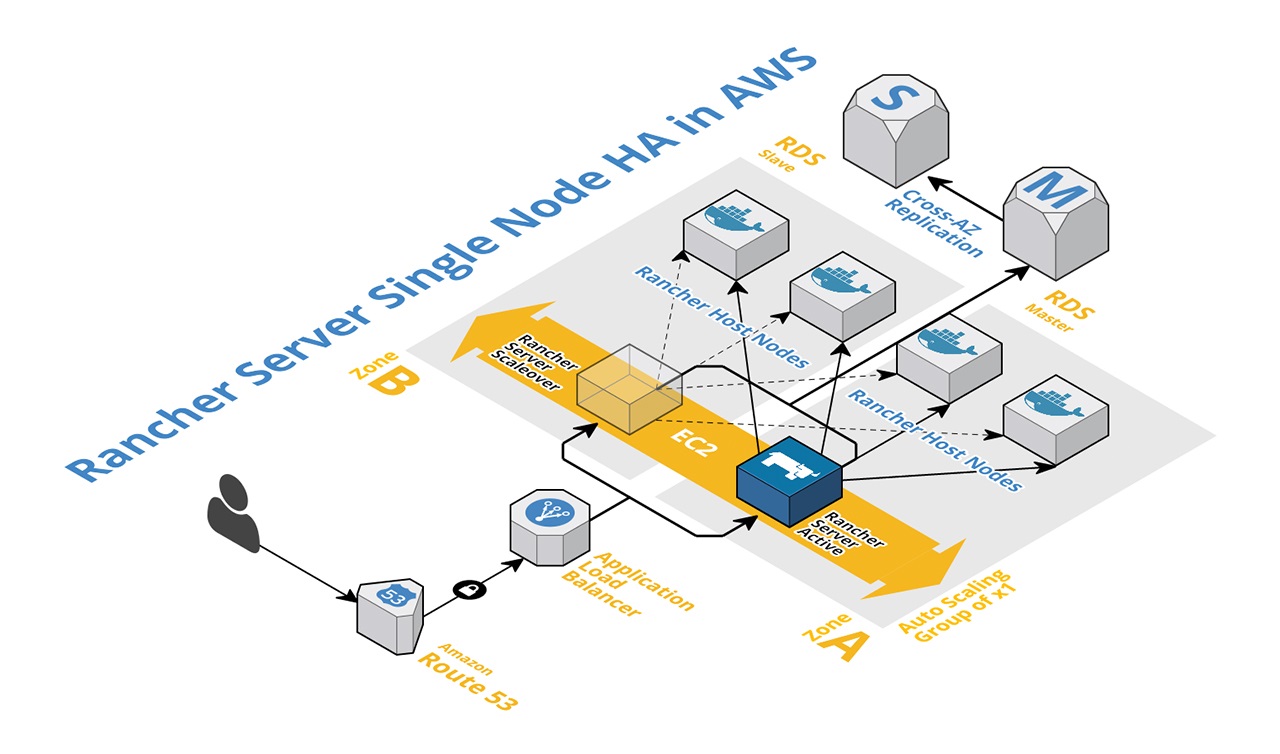
As businesses grow, so do their technology demands. What starts as a simple application running on a single server can quickly become overwhelmed by increasing users, data, and processing requirements. To keep up, organisations often transition from a single-node setup to a clustered infrastructure—a move that enables scalability, reliability, and long-term growth.
What Is a Single Node Setup?
A single node refers to a single machine or server that handles all application tasks, including processing, storage, and networking. This setup is common for startups and small projects because it is:
- Easy to deploy and manage
- Cost-effective in the early stages
- Suitable for low to moderate workloads
However, as demand increases, a single node becomes a bottleneck. Performance issues, downtime risks, and limited capacity can restrict business growth.
What Is a Cluster?
A cluster is a group of interconnected machines (nodes) that work together as a single system. Instead of relying on one server, workloads are distributed across multiple nodes, improving efficiency and resilience.
Clusters are widely used in:
- Cloud computing environments
- AI and machine learning workloads
- High-traffic web applications
By spreading tasks across multiple machines, clusters can handle significantly larger workloads without compromising performance.
Why Businesses Need to Scale
Scaling infrastructure is not just about handling more users—it is about ensuring consistent performance and reliability. Key drivers for scaling include:
- Increased website or app traffic
- Growing data processing needs
- Demand for real-time services
- Expansion into new markets
Without proper scaling, businesses risk slow performance, system crashes, and poor user experiences.
Benefits of Moving to a Cluster
1. Improved Performance
Clusters distribute workloads, reducing the strain on individual nodes. This leads to faster processing and better response times.
2. High Availability
If one node fails, others can take over, ensuring minimal downtime. This is critical for businesses that rely on continuous service availability.
3. Scalability
Clusters allow you to add more nodes as needed. This flexibility ensures your infrastructure can grow alongside your business.
4. Better Resource Utilisation
Workloads can be balanced across nodes, preventing underutilisation or overloading of resources.
Steps to Transition from Single Node to Cluster
1. Assess Your Current System
Identify performance bottlenecks, usage patterns, and future growth expectations. This helps determine the type of cluster you need.
2. Choose the Right Architecture
Decide between options such as:
- Load-balanced clusters for web applications
- Compute clusters for AI and data processing
- Storage clusters for handling large datasets
3. Implement Load Balancing
A load balancer distributes incoming requests across multiple nodes, ensuring no single server is overwhelmed.
4. Set Up Monitoring and Automation
Use monitoring tools to track performance and automate scaling where possible. This ensures your cluster operates efficiently.
5. Test and Optimise
Before going fully live, test your cluster under different workloads. Optimise configurations for performance and cost.
Conclusion
Transitioning from a single node to a clustered infrastructure is a crucial step in scaling your business. While it requires careful planning and investment, the benefits—improved performance, reliability, and scalability—make it essential for long-term success.
By adopting a cluster-based approach, businesses can build a strong technological foundation capable of supporting future innovation and growth in an increasingly digital world.
About the Author