With Generation Z (1997-2010) now more active in the workforce, their preferences are innovating the future designs of offices. Unlike older generations who adapted to open-plan offices, which were meant to promote collaboration and transparency, for Gen Z, the table brings a fresh set of priorities, and one of which is acoustic privacy.
This generation had preexisting conditions of being digitally hyperconnected to the world 24/7. This infection of constant noise ironically makes them value quiet more than ever. In this article, we will learn about the combination of acoustic privacy being an increasing concern and how businesses can design workplaces around these expectations.
1. Prioritizing Focus: The Quiet Workspace
While Gen Z prefers being productive, there is no way their workload interferes with their peace of mind. Open-plan office layouts tend to be modern, unfortunately, they are also always filled with noise, distractions, and counterproductive behavior. The absence of acoustic privacy makes quiet contemplation, deep creativity, or any level of thinking difficult.
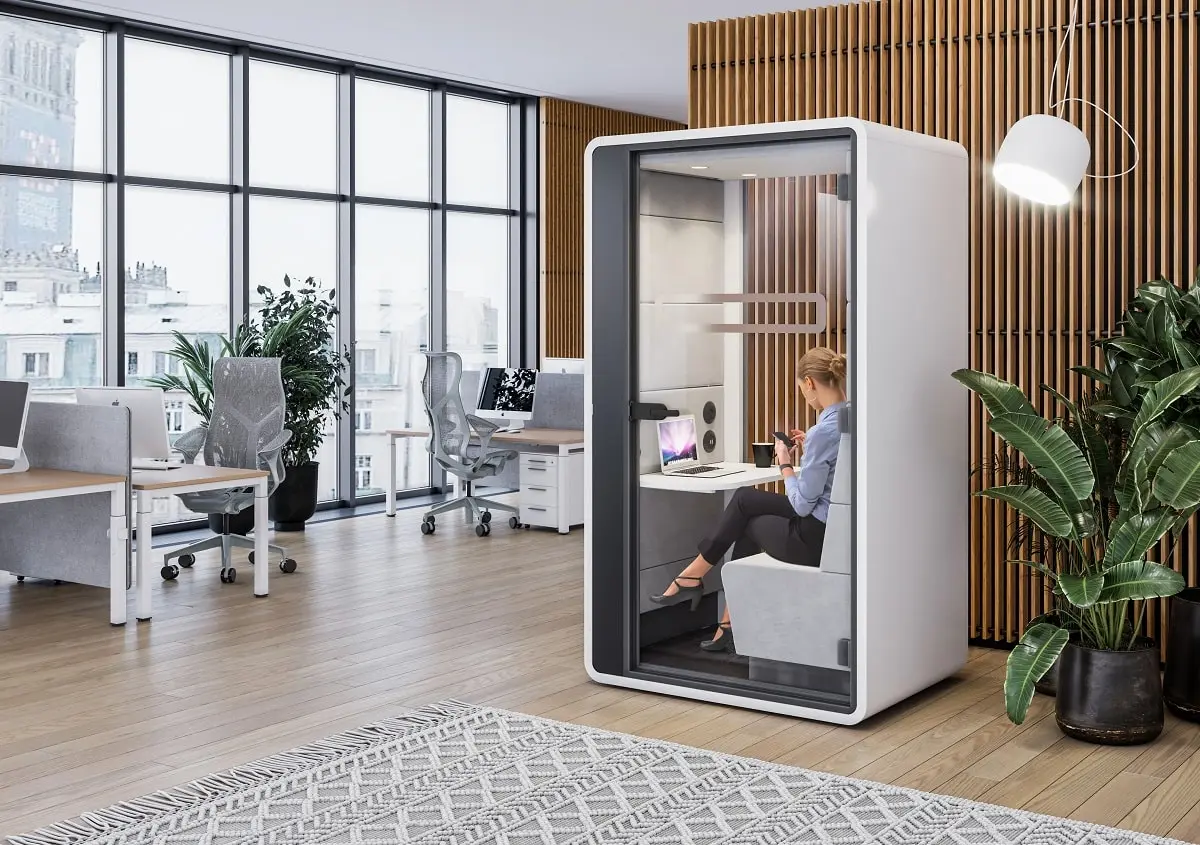
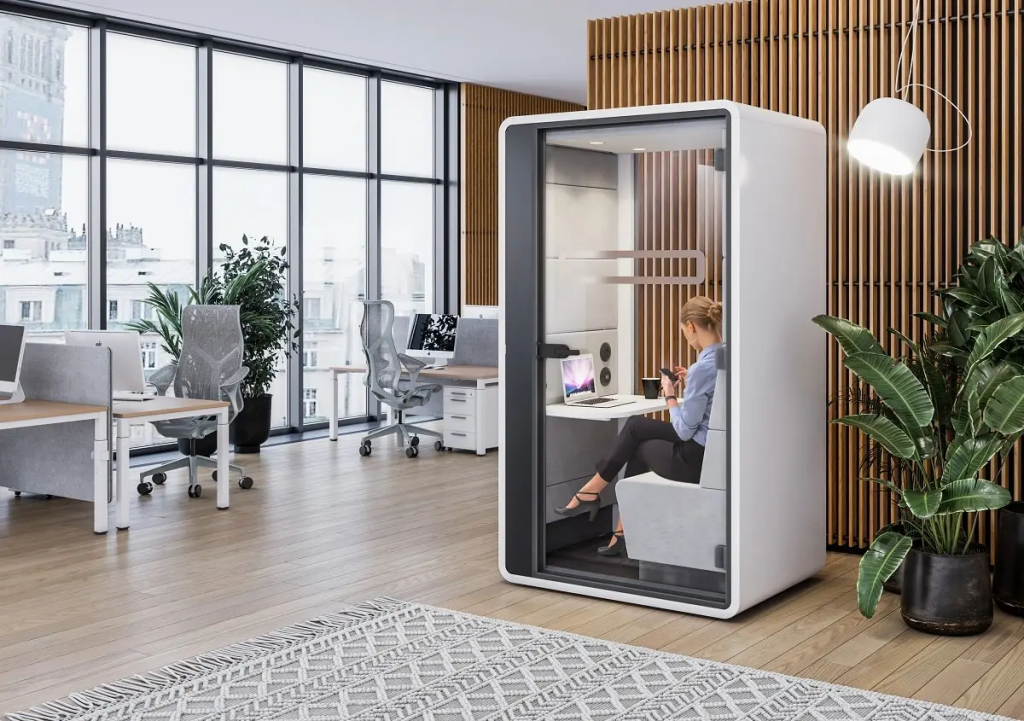
The Gen Z workforce is proactively advocating for an increased number of quiet zones complemented with private phone booths and soundproof meeting rooms. Supplying these capabilities empowers employers seeking to accommodate their employees without interruption major factor in job satisfaction and retention.
2. Mental Health Matters
Gen Z is the ultimate mental health-awake generation. For them, well-being isn’t an indulgence — it’s a necessity. Noise pollution in the business can lead to elevated stress levels, tiredness, and decreased confidence. Environments filled with chatter, resonant phones, or background crash can be particularly overpowering for introverts or neurodiverse individuals.
By including acoustic wall panels, solid floors, and soundproof sliding office partitions, associations can create serene spaces that support mental clarity. These soundproofing elements become an idea of a company’s commitment to staff member wellness, something Gen Z intensely values.
3. Privacy in a Hyper-Connected World
Despite being digitally native, Gen Z places an extreme value on privacy, especially when it comes to ideas. In a world of open offices, assets private calls, brainstorming impressionable ideas, and giving responses can be challenging.
Acoustic privacy ensures that dialogues stay confidential. Whether it’s through double-mirror partitions with air in between, silent pods, or quiet collaboration booths, offering Gen Z employees access to private spaces helps foster trust and civility.
4. Design That Reflects Values
Gen Z also cares deeply about aesthetics and brand identity. They are more likely to be tense in workplaces that are thoughtfully planned, visually appealing, and aligned with their principles. The good news is that modern soundproofing solutions are no longer bulky or unattractive.
From artistic acoustic obstruction panels to minimalist glass partitions with soundproofing, today’s design-forward acoustic parts complement sleek, up-to-date interiors, giving guests a way to blend service with visual appeal.
5. Flexibility in Workspace Design
Gen Z prospers in environments that offer elasticity. They don’t want to be boxed into an individual type of space. This is place modular soundproofing comes in — transportable walls, reconfigurable pods, and flexible layouts allow employers to meet the varying needs of their trained workers.
Offering both cooperative zones and quiet areas sends a strong idea: “We trust you to work your way.”
Conclusion
As Gen Z persists to shape the future of work, acoustic privacy will become a cornerstone of business design. Companies that invest in quiet, flexible, and exquisitely soundproofed spaces will not only help productivity — they’ll also win the dependability of a generation that’s redefining what an athletic, effective workplace entails.
About the Author